Imagine a visitor making a purchase on your website.
They enter their credit card details and click the 'submit' button. This information is sent to your server to process the payment.
Now, imagine a Man-in-the-Middle – someone intercepting the communication between your visitor's computer and your server.
Without SSL, they could see the credit card information in plain text.
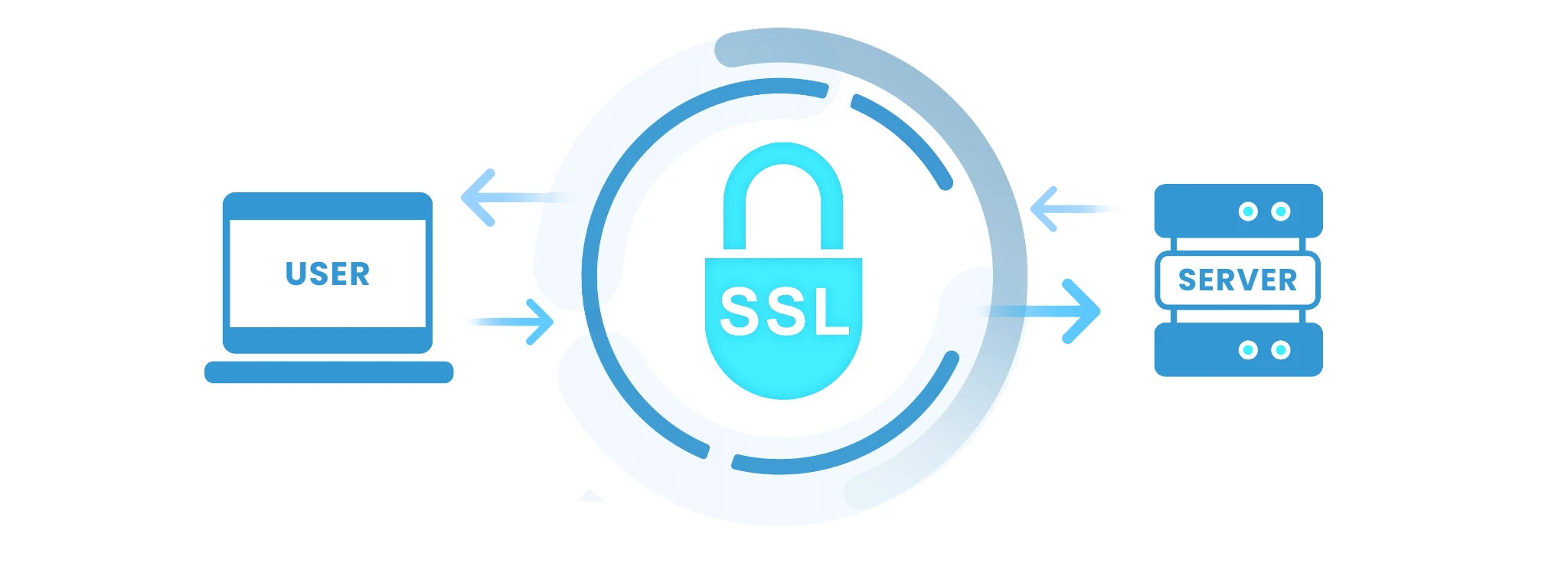
What SSL does is encrypt the connection between the visitor's computer and your server. So even if a Man-in-the-Middle attack happens, all they see is jumbled text, not sensitive data.
That's why every website must be protected with SSL.